Presence sensors work by detecting infrared heat and movement in the room. When they work properly, they allow the AC to switch to a lower energy mode or standby when no one is home or awake, saving electricity.
The sensor stops working reliably for these reasons:
Dust or condensation on the lens. Coastal homes and properties in hot climates accumulate dust quickly, especially during the dry season. Salt spray near the sea accelerates corrosion and dust buildup. The sensor can't see through a cloudy or dusty window.
Blocked air intake vents. If the unit's inlet is clogged, the AC struggles to draw in cool air and may shut down automatically as a safety measure. This isn't always the presence sensor—it can be the AC's own overheating protection cutting in.
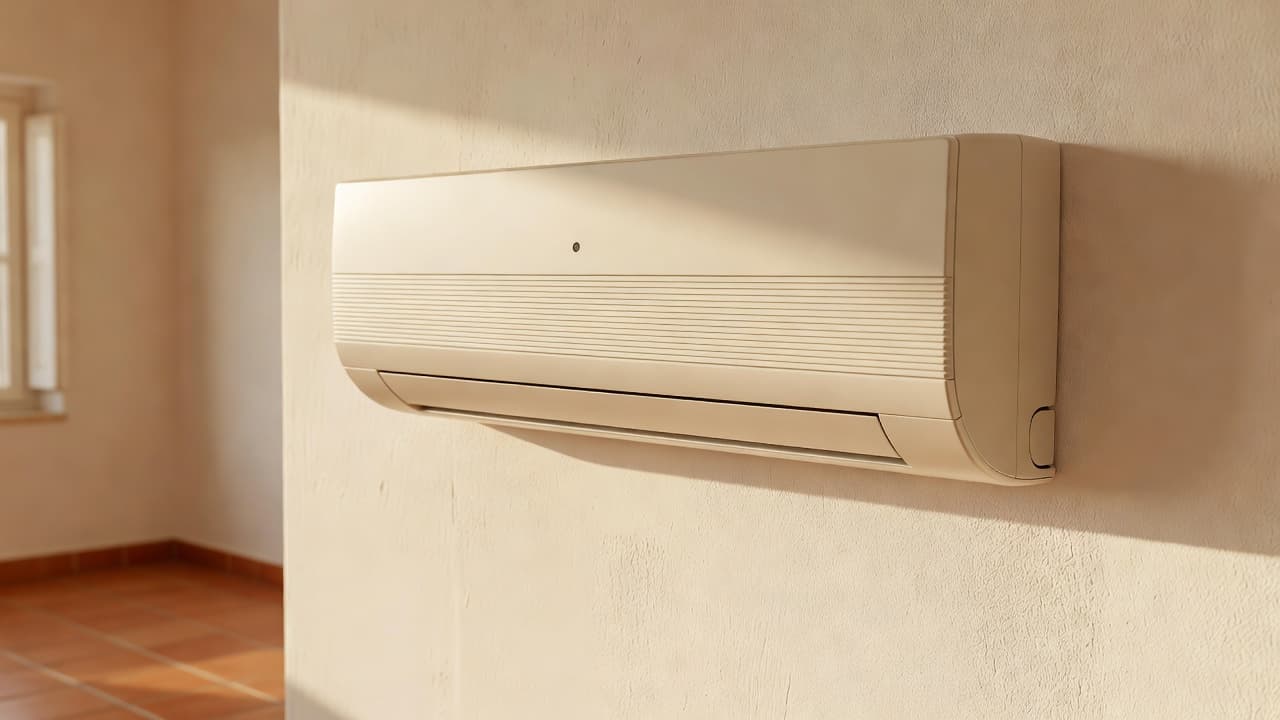
Direct sunlight on the unit casing. Some sensors are sensitive to ambient light. If strong afternoon sun is shining directly on the AC panel, it can confuse the infrared detector, making it think the room is empty or too hot.
Objects blocking the sensor's view. If a curtain, poster, or piece of furniture has been moved in front of the unit, the sensor can't see the room properly. Move obstacles away from the sensor window.
Faulty sensor or broken wiring. If the sensor has aged or suffered damage (impact, water ingress from air leaks, corrosion in humid or coastal environments), the infrared circuit inside may not function. This requires professional repair.
Incorrect sensor positioning. In some installations, the sensor was mounted too high, too low, or facing a wall instead of the open room. The sensor needs a view of the living space, not the ceiling or a corner.
If cleaning and repositioning don't work, try these safe temporary solutions:
Disable the sensor mode on the remote or control panel. This tells the AC to stay on continuously without waiting for movement detection. Your electricity use may increase slightly, but you'll have cooling. Look for buttons or menu options labelled "sensor", "eco mode", "motion detect", or similar. Consult your manual or ask the supplier's helpline if you're unsure.
Manually switch to "continuous cooling" mode. Some units have a setting that keeps the compressor running at full capacity without sensor input. Use this if the sensor mode can't be disabled.
Ensure good airflow around the unit. Keep curtains or blinds open so the unit can "see" the room and ventilate properly. Move any large objects (sofas, wardrobes) that might be blocking the sensor's field of view.
Avoid direct sunlight on the unit. If afternoon sun is a problem, close external shutters (persianas) partially to reduce the bright light hitting the unit during peak hours. Some units are sensitive to this.
These are holding measures. The sensor or its circuit should be inspected by a technician within a few days to ensure it's working safely.
Stop and call a professional immediately if:
- The unit makes unusual noises (grinding, squealing, hissing) when the sensor acts up. This suggests mechanical or refrigerant problems, not a sensor issue.
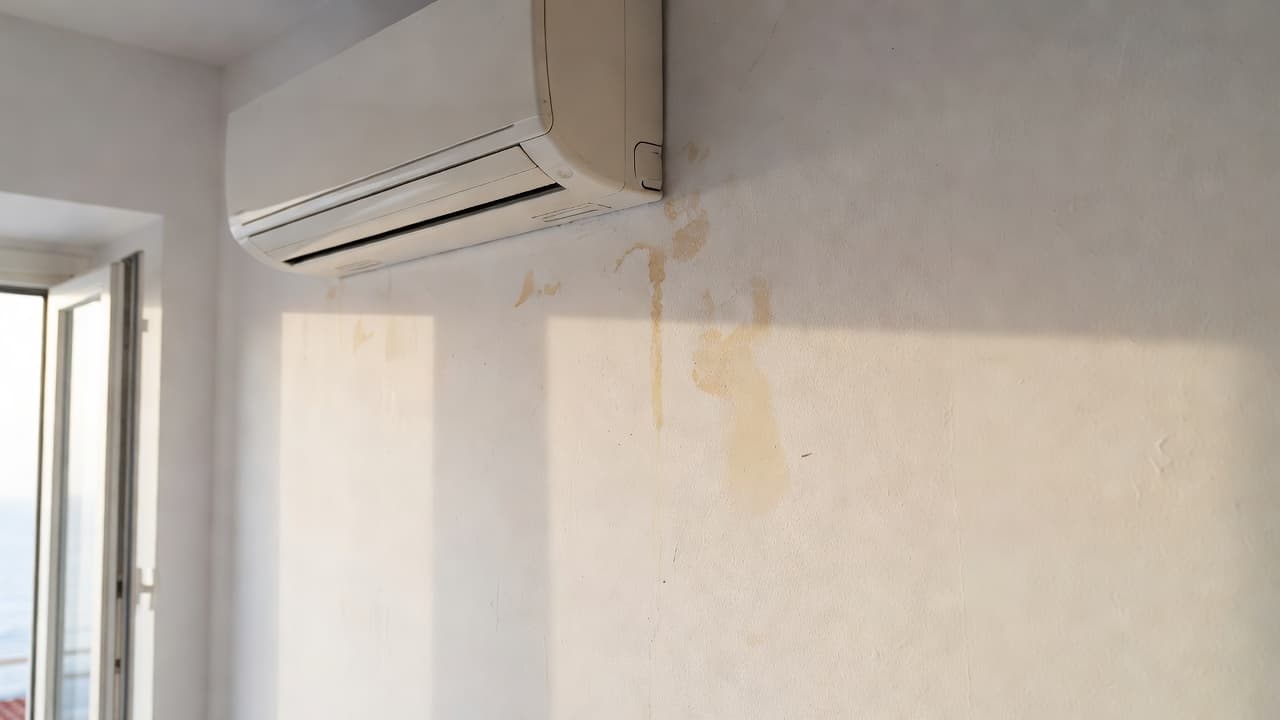
- Water is leaking from the unit or pooling around it. This points to a blocked condensation drain or refrigerant leak, both of which require a qualified technician.
- You see visible cracks, burns, or corrosion on the sensor lens or the casing around it. The sensor circuit or wiring may be damaged.
- The AC won't stay on even after you've disabled the sensor mode. This indicates a deeper electrical fault.
- You smell a chemical or burnt smell from the unit. Stop using it and call immediately.
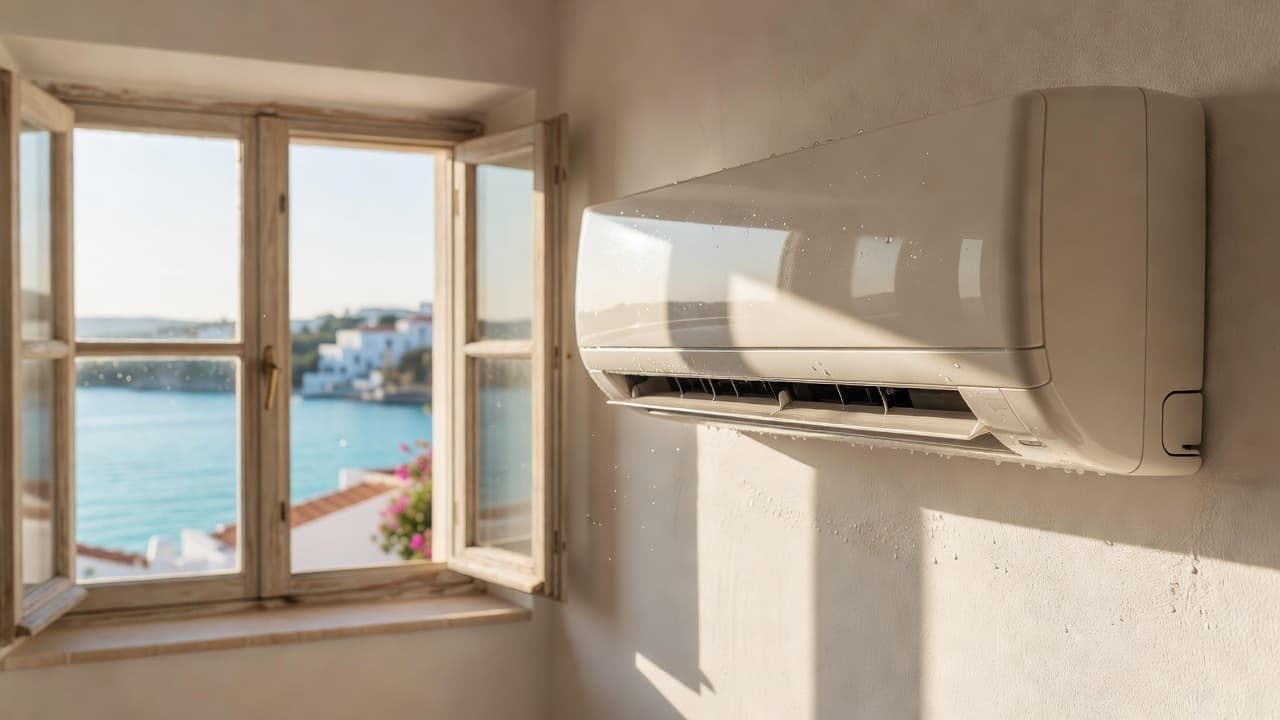
- The sensor window is wet inside the unit (condensation trapped under the lens). This means moisture has entered the sensor housing, and it needs professional drying and replacement.
Do not open the unit's outer casing to access the sensor circuit. Do not pour water on the sensor to clean it. Do not touch any visible wiring or components inside the unit. If the sensor is truly faulty, only a qualified technician should replace it.
When you call an air conditioning technician, they'll inspect the presence sensor as part of a broader AC health check.
First, they'll clean the sensor lens and check the intake vents for blockages, much as you've already done. They'll also inspect the sensor's wiring and connectors to ensure they haven't corroded or come loose—especially important in coastal areas where salt air degrades electrical contacts.
If cleaning doesn't fix the problem, they'll test the sensor's infrared function using diagnostic equipment. If the sensor is faulty, they'll replace it with a compatible unit (the cost is usually €80–€200 including labour, depending on the model). They'll also check the control board to ensure the sensor signal is being read correctly by the AC's main computer.
Before they leave, they'll hand you a receipt documenting the work. If your AC is still under warranty, they'll note whether the sensor replacement is covered (some warranties do, some don't). They may also recommend a maintenance visit every 12 months to prevent future dust accumulation, especially if you live near the coast.
Clean the sensor lens every three months. A quick, gentle wipe with a dry cloth takes 30 seconds and prevents 80% of presence sensor problems.
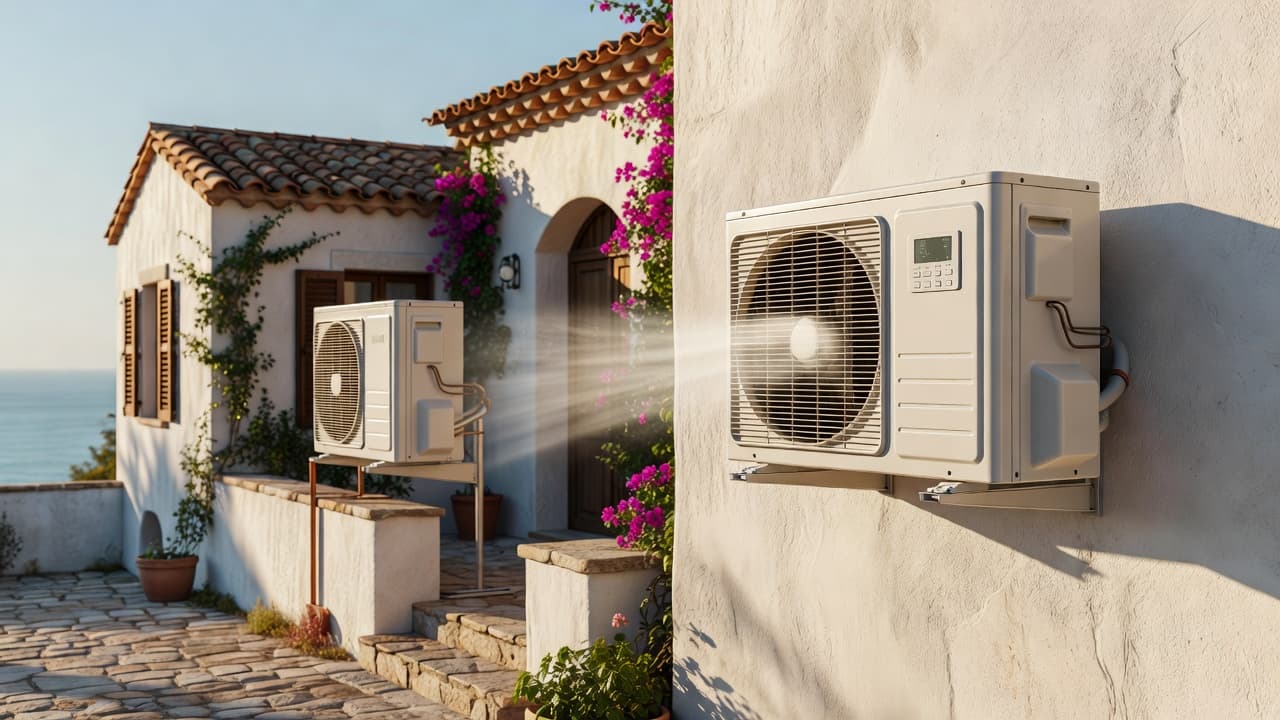
Vacuum the AC unit's intake vents monthly, especially if you have pets or live in a dusty area. Coastal homes near the sea accumulate salt dust faster; increase the frequency to twice a month if you're on the Costa Blanca or Costa del Sol.
Keep the area around the unit clear. Don't place furniture, curtains, or large objects directly in front of the AC. The sensor needs an unobstructed view of the room.
Avoid direct sunlight on the unit casing during peak afternoon hours. Partially close external shutters if the unit is on a south-facing wall.
Have the AC serviced annually by a professional. During a service, they'll inspect the sensor, clean the internal circuits, and check refrigerant levels. This is especially important before summer (May or June) when you'll be using the AC most heavily.
Check the sensor window after storms or high winds. Salt spray and dust can settle on coastal units overnight. A quick wipe can prevent problems.
If your AC presence sensor is failing and you've already tried the checks above, it's time to bring in a professional. A qualified technician can diagnose and replace the sensor quickly, usually within 24–48 hours of your call. Don't wait through a heat wave—get in touch with an air conditioning specialist in your area and have it sorted.