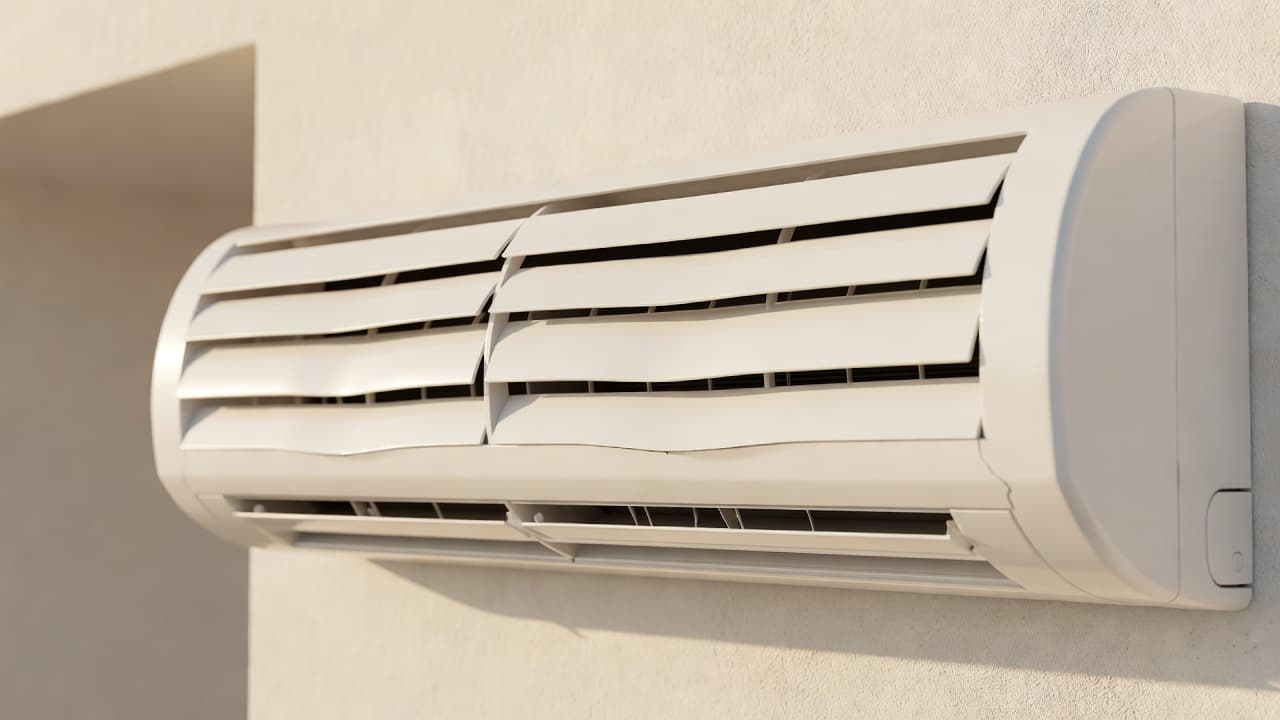
When your air conditioning unit sits unused for weeks or months—especially during a humid Mediterranean season—moisture condenses inside the metal coils and collects in the filters and drainage pipes. This creates a cool, dark, damp environment where mould, bacteria, and algae thrive. It's not visible from outside, but it's growing.
When you turn the AC back on, that unit blows the stale, damp air (and the smell it carries) directly into your room. The longer the unit has been off, and the more humid your local climate, the worse the smell can be.
This is particularly common in:
- Flats in Spanish urbanisations on the coast, where humidity is high year-round and the AC might sit idle during winter.
- Holiday homes that are closed for three months or more.
- Properties in salt-air areas (near the sea), where corrosion and moisture problems are more pronounced.
The smell itself is not toxic—it's the odour of harmless organic growth—but it signals that the unit needs cleaning.
Filter cleaning (if accessible): Most split-system air conditioners have a removable filter behind the front cover. If yours does, open the cover, slide out the filter, and rinse it gently under cool running water. Don't use hot water or chemicals. Pat it dry with a clean cloth and let it air-dry completely before reinserting it. This removes dust and some of the stale smell-causing particles.
Running the AC on a schedule: Use the AC for 30–60 minutes daily, with windows open. This keeps air moving, prevents moisture from re-accumulating, and allows the smell to disperse gradually. Each time you run it, the smell fades a little more.
Increasing ventilation: Open windows and doors in the room for at least 30 minutes each day, separate from running the AC. Fresh air and natural light will help.
Checking the drainage: Look beneath the outdoor unit for signs of blocked drainage. If water is pooling or leaking, there may be a blockage in the drainage pipe. Do not attempt to clear this yourself; ask a professional.
Stop and call a professional immediately if:
- The smell is accompanied by a burning odour or visible smoke. This suggests an electrical fault or damaged components. Turn off the AC and leave it off until checked.
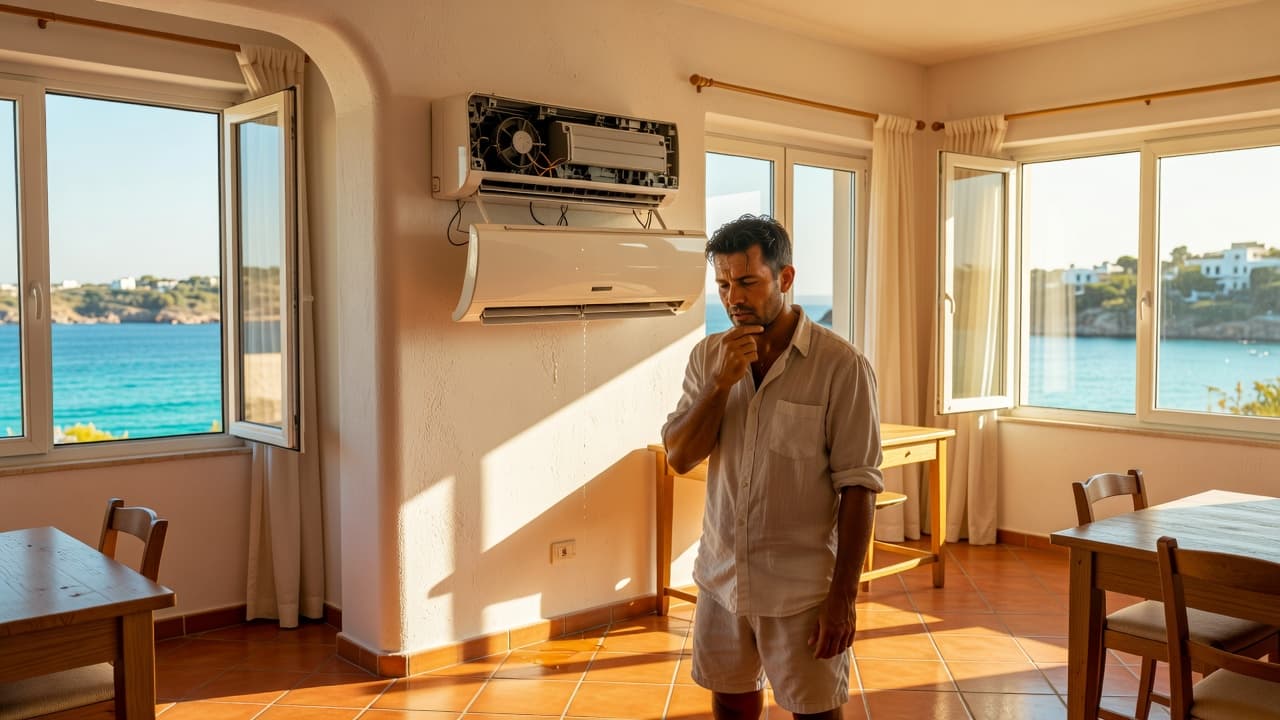
- Water is leaking from the indoor or outdoor unit. This could mean a blocked drainage pipe or a refrigerant leak, both of which require professional repair.
- The AC is making grinding, squealing, or rattling noises. These are signs of mechanical damage, not just a musty smell.
- The smell is extremely strong and does not fade after one week of regular use. This suggests heavy mould growth inside the coils, which needs professional cleaning.
- You have a respiratory condition (asthma, COPD, immune sensitivity) and the smell triggers symptoms. Have the unit professionally cleaned before using it regularly.
- The unit has not been serviced in more than two years. Before running it heavily after a long shutdown, ask a professional to do a basic safety check.
Do not attempt to open the outdoor unit, spray chemicals into the air intake, or use compressed air to "blast" the coils. These actions can damage refrigerant lines, damage the fins, or spread mould spores more widely.
If the musty smell persists after two weeks of regular use with windows open, or if you spot any of the warning signs above, call an air conditioning engineer. Here's what to expect.
The engineer will inspect both the indoor and outdoor units, looking for visible mould, blocked drainage, or refrigerant leaks. They'll remove and examine the filters and—if necessary—use a special coil-cleaning solution to flush out the internal evaporator coils where most of the smell originates. This is a non-toxic, food-safe solution that breaks down mould and bacteria without damaging the components. The process takes 45–90 minutes depending on how dirty the coils are.
After cleaning, the engineer will test the drainage to ensure water flows freely and will run the unit to check that cooling and fan speeds work normally. They'll hand you a service receipt or certificate documenting what was cleaned and replaced. In Spain, if you've had a significant electrical or mechanical repair, the engineer may provide a boletín (electrical work certificate) if new components were installed, though a simple cleaning typically doesn't require this.
The cost of a professional clean-out usually ranges from €80 to €180, depending on how extensive the cleaning is and whether they need to disassemble parts of the unit. This is a one-off investment that can extend the life of your AC by years.
Run the AC for 10–15 minutes at the end of each season, even if you don't need cooling or heating. Set it to fan-only mode. This keeps the coils dry and prevents moisture from sitting inside.
If the unit will be unused for more than a month, ask a professional to apply a protective anti-mould treatment to the coils. This is inexpensive and effective.
Keep the area around the outdoor unit clear of leaves, dust, and garden waste. These block airflow and trap moisture.
Ensure the drainage outlet is clear. After heavy rain or cleaning, check that water is flowing freely from the outdoor unit.
Use the AC regularly during humid seasons. In Mediterranean climates, even 30 minutes a day in spring and autumn keeps the internal components dry.
A musty smell from your air conditioning after months of being switched off is frustrating, but it's usually a sign of trapped moisture and mild mould growth—not a major mechanical fault. In most cases, opening your windows and running the unit daily for one to two weeks will clear it completely.
If the smell is strong, persists beyond two weeks, or is accompanied by water leaks or odd noises, our air conditioning professionals can clean the coils and filters professionally and get your unit running fresh again. Get in touch for a quote and mention the musty smell so they arrive prepared.