Your AC blows warm air instead of cold for a handful of reasons. Understanding which one is likely to be your problem helps you explain it clearly to a technician.
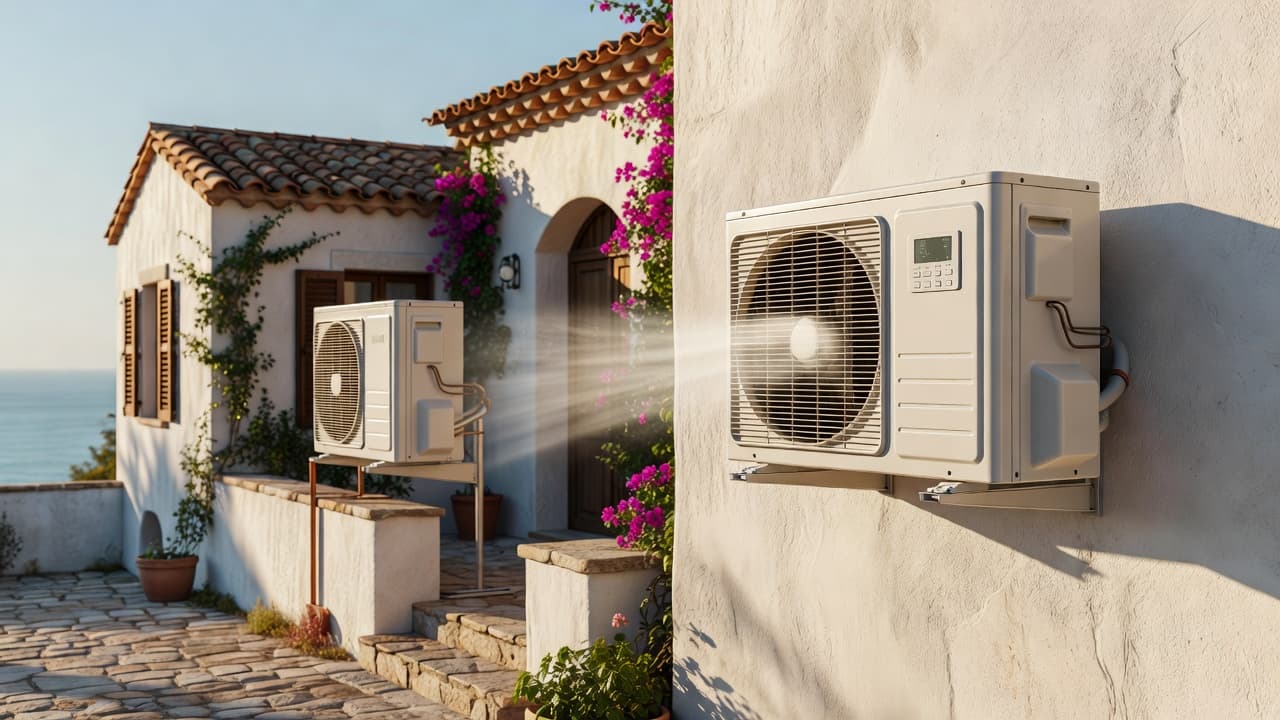
Refrigerant leak. This is the most common culprit. Refrigerant is the fluid that absorbs heat from your home and expels it outside. If it leaks—usually through corroded pipes or old connection points—there isn't enough to cool the air. You might notice frost or ice on the outdoor unit in the morning, or the compressor running constantly but producing no cold air. This cannot be fixed by adding water or anything else: it requires a specialist to locate the leak, repair it, and refill the refrigerant.
Faulty compressor. The compressor is the heart of the AC unit. It pumps the refrigerant around the system. If it fails—often due to age, electrical damage from a power surge, or oil breakdown—the whole system stops cooling. A failed compressor usually means the unit needs replacement or a costly repair.
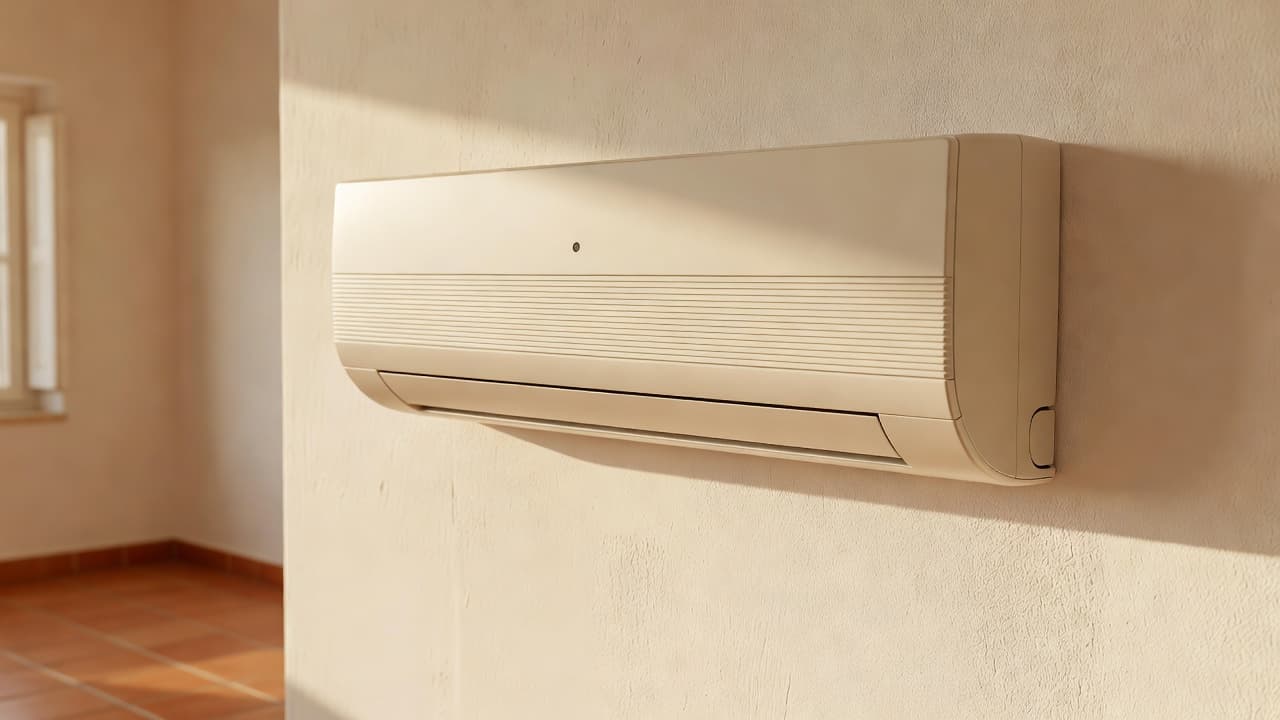
Clogged filter or blocked vents. A dirty air filter forces the indoor unit to work harder, and airflow drops. Eventually, the evaporator (the cold part inside) can freeze over, and the unit shuts down or switches to warm air to defrost itself. This is a safety mechanism, not a fault.
Wrong mode selected. Occasionally the unit is set to heat, defrost, or fan-only by accident. The air moves, but it's not cool.
Thermostat malfunction. The thermostat may not be reading the room temperature correctly, or the electrical signal to the compressor may be broken. The unit looks like it's on, but it's not actually cooling.
Power or electrical issue. A tripped circuit breaker, a blown fuse, or a loose connection means the compressor doesn't get power. The fan may still run, pushing warm air, but no cooling happens.
You can make the situation more bearable while you wait for help.
Close the blinds and shutters. Reduce the heat coming in through windows. Close the Spanish-style shutters (persianas) if you have them, or draw the curtains. This lowers the room temperature and reduces the load on the failing AC.
Open windows in the early morning and evening. If it's cooler outside than inside, open windows briefly to let cooler air in. Close them again once the outside temperature rises.
Use a portable fan. A standing or box fan won't cool the air, but it circulates it, making the room feel slightly more comfortable while you wait for the AC repair.
Avoid heat sources. Don't use the oven, keep lights off in unused rooms, and avoid running other electrical appliances that generate heat.
Stay hydrated and keep to shaded rooms. It's not a fix, but it's important for your wellbeing while the AC is down.
Do not add water, ice, or refrigerant yourself. Do not open the refrigerant lines or try to "fix" the compressor. These actions are dangerous and will void any warranty or insurance.
Call an air conditioning technician immediately if you notice any of these:
- Hissing, bubbling, or unusual sounds from the outdoor unit. This suggests a refrigerant leak or compressor issue.
- Frost or ice buildup on the indoor vents or outdoor pipes, even in warm weather. This is a sign of system stress and can damage components.
- Burning smell coming from the unit. Stop using it at once. This indicates an electrical fault.
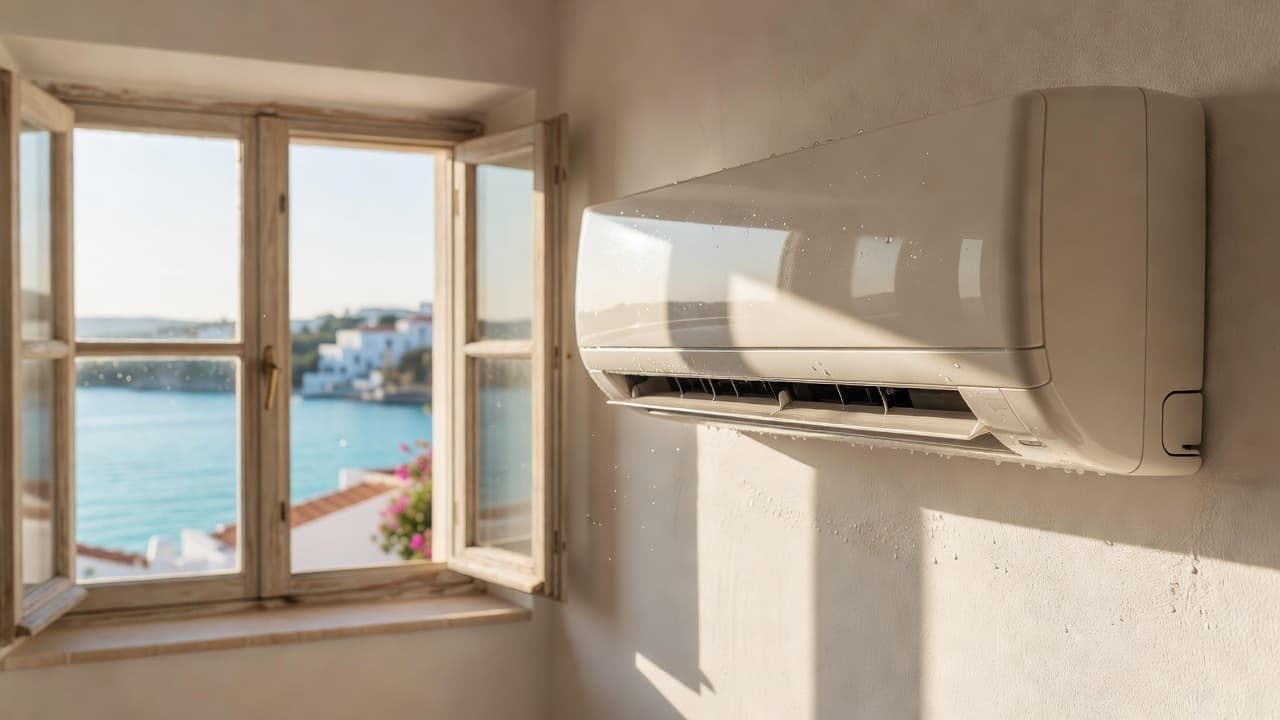
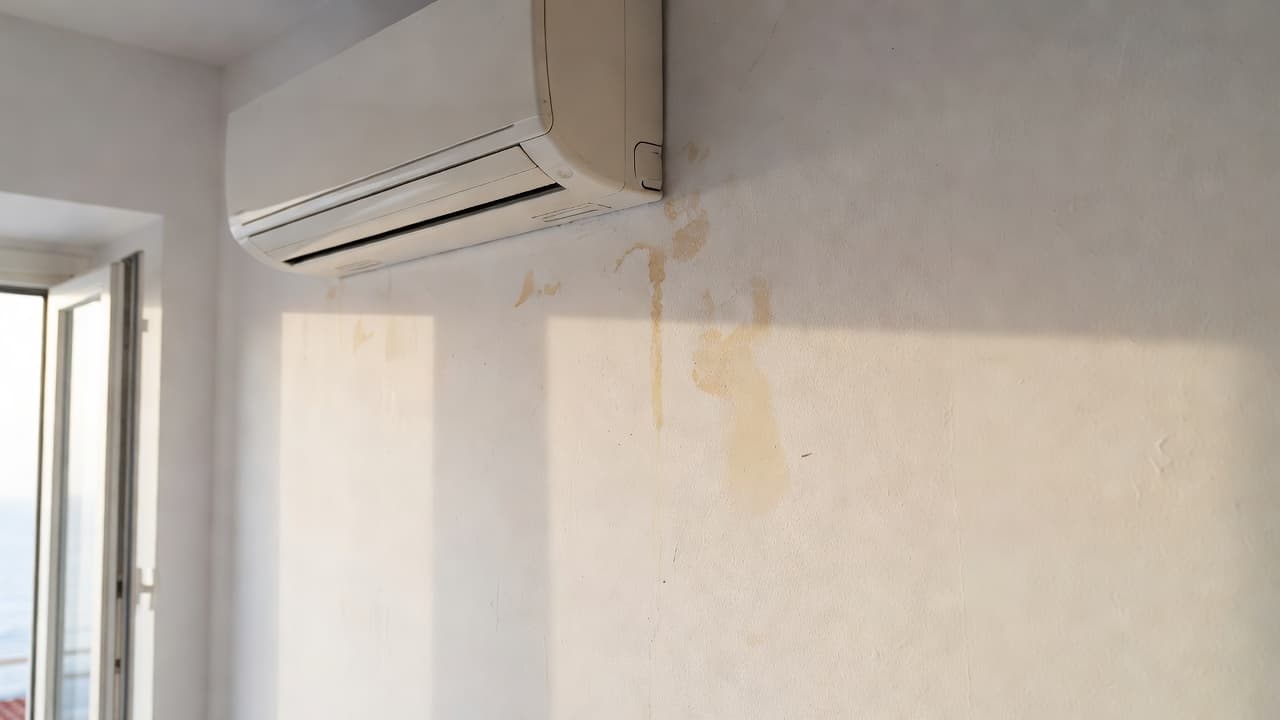
- Water pooling inside or around the indoor unit. The drain is blocked or the system is leaking refrigerant. Water in the wrong place can cause mould or electrical hazards.
- Complete silence from the outdoor unit even when the indoor fan is running. The compressor may have failed.
- The unit sparking or showing visible damage to pipes or connections.
- Anything that looks or sounds abnormal. When in doubt, turn it off and wait for the specialist.
Do not attempt to open the unit, touch refrigerant lines, or reset the compressor yourself. Air conditioning systems work under high pressure and contain toxic gases. Mishandling them can cause injury or permanent system damage.
When you book an air conditioning repair, the technician will arrive with diagnostic tools. Here's what to expect.
They'll first ask when the problem started, what mode the unit is in, and whether it's worked fine before. They'll check your thermostat and settings to rule out operator error. Then they'll move to the outdoor unit and listen to the compressor, checking for electrical power and any unusual sounds.
If the compressor is running, they'll use a pressure gauge to measure the refrigerant charge. Low pressure indicates a leak. They'll inspect the pipes and connections for visible signs of corrosion, frost, or damage. If a leak is found, they'll locate it, repair it, and refill the system with the correct refrigerant—a process that takes 1–2 hours depending on severity.
If the compressor isn't running despite power reaching it, they'll test the capacitor (a component that starts the compressor) and the thermostat circuit. A faulty capacitor can be replaced in minutes. A failed compressor is more serious—the technician will explain your options: repair (expensive) or replace the whole unit (costlier, but often more reliable).
They'll clean the filter and check the indoor unit's drain line to ensure condensation can flow away. Once the repair is done, they'll run the AC in cool mode, verify that cold air is coming through, and take a pressure reading to confirm the system is balanced.
Most technicians will provide a printed receipt or certificate showing what was repaired and the refrigerant amount added. Keep this for your records—it's useful if the problem returns, and it protects you if you sell or rent the property.
Regular maintenance prevents most AC problems.
Replace or clean the filter every 2–3 months during the cooling season. A clogged filter is the easiest problem to prevent and the most common cause of poor performance.
Keep the outdoor unit clear. Check it monthly during summer. Remove any leaves, branches, or debris. Don't plant climbing vines close to it.
Have the system serviced annually before the hot season starts, ideally in April or May. A technician will clean the coils, check the refrigerant level, and test all electrical connections. This costs €80–€150 but often prevents costly breakdowns.
Don't ignore warning signs. If the AC is cooling less than it used to, or if you hear unusual noises, get it checked before it stops working entirely.
Avoid extreme temperature swings. Don't set the thermostat 10 degrees below the outside temperature. It stresses the compressor. A reasonable setting is 3–5 degrees cooler than the room temperature.
Turn off the AC on cooler days. If it's under 20°C outside, you don't need it. Unnecessary running shortens the system's life.
If your air conditioning is blowing warm air, start with the simple checks—filter, thermostat, outdoor unit blockage. Most people find the problem is one of these three. If not, you need a qualified air conditioning technician to diagnose the fault safely.
Contact a local air conditioning service professional today. Describe what you've already checked, and they'll know exactly what to look for.