Air conditioning works by moving heat from inside your home to outside. In extreme heat, the temperature difference is smaller, so the unit has to work much harder for the same result. Think of it like pushing a ball uphill: the steeper the hill (the bigger the temperature gap), the more effort needed.
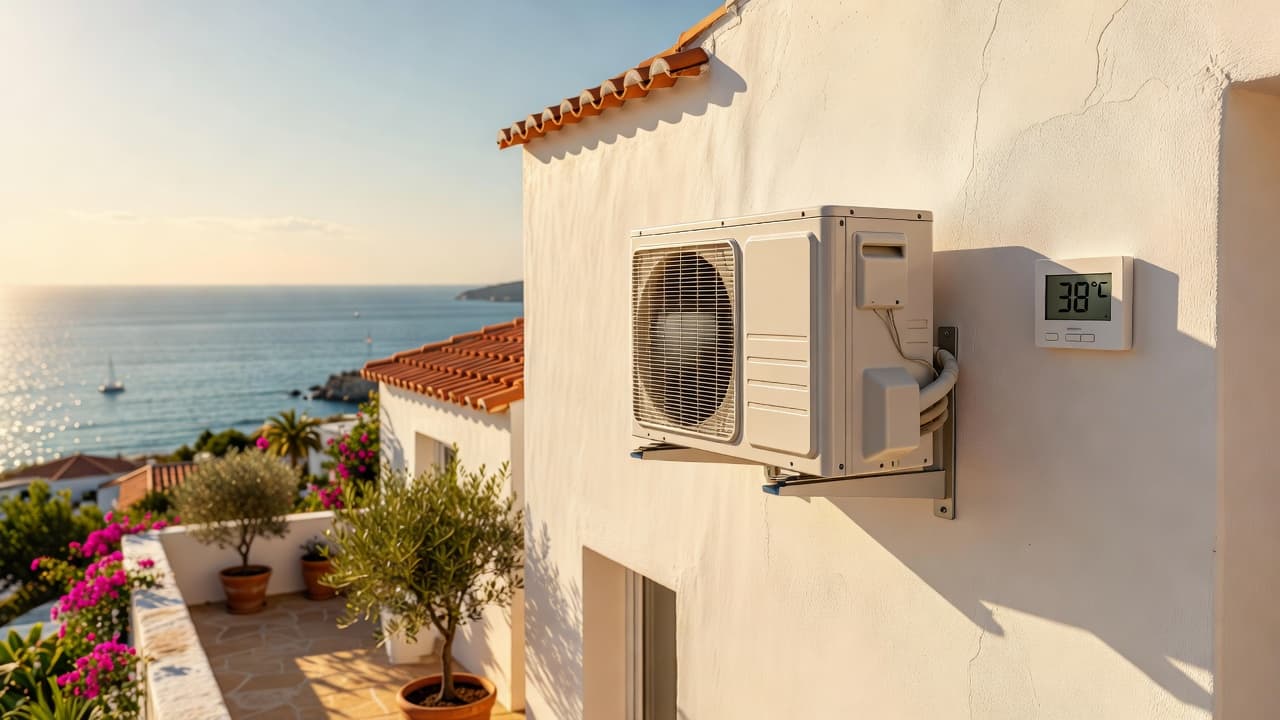
On a 32°C day, cooling to 22°C is a 10-degree difference — the unit handles this comfortably. On a 38°C day, that same 10-degree difference is harder because the outdoor air is hotter and the heat exchanger (the outdoor unit) can't dump heat as efficiently. Many domestic split units start to struggle noticeably above 35°C.
This is not a fault. It's physics.
However, if the indoor temperature stops dropping altogether or drops very slowly even after you've cleaned the filter, something else is wrong.
Dirty or clogged filter. This is the most common reason for weak cooling. The filter blocks air circulation, and the unit can't absorb heat from the room. A grey, dusty filter cuts cooling power by 20–40 per cent.
Blocked outdoor unit. Salt spray (if you're near the coast), debris, or overgrown vegetation around the outdoor box restricts airflow. The unit overheats and shuts down temporarily to protect itself, or runs inefficiently.
Low refrigerant (coolant). If your unit is over five years old and gradually cooling less, it may have a slow leak. The unit will run but won't cool adequately. You'll hear a faint hissing sound from the pipes.
Compressor strain. The compressor is the "engine" of your AC. In very high heat, if other components are dirty or blocked, the compressor works harder and may not maintain full power. Older units (10+ years) may simply not be powerful enough for the region.
Thermostat setting or control issue. Occasionally the indoor unit's sensor or controls malfunction, causing it to stop cooling or cycle on and off. This is rare but possible.
Clean the indoor filter. Locate the washable filter in your split unit (usually accessed from the front panel). Turn off the power at the wall socket. Slide the filter out, rinse it under cold running water from the tap (not hot), and let it dry completely in shade before reinserting. This takes 10 minutes and solves the problem in many cases.
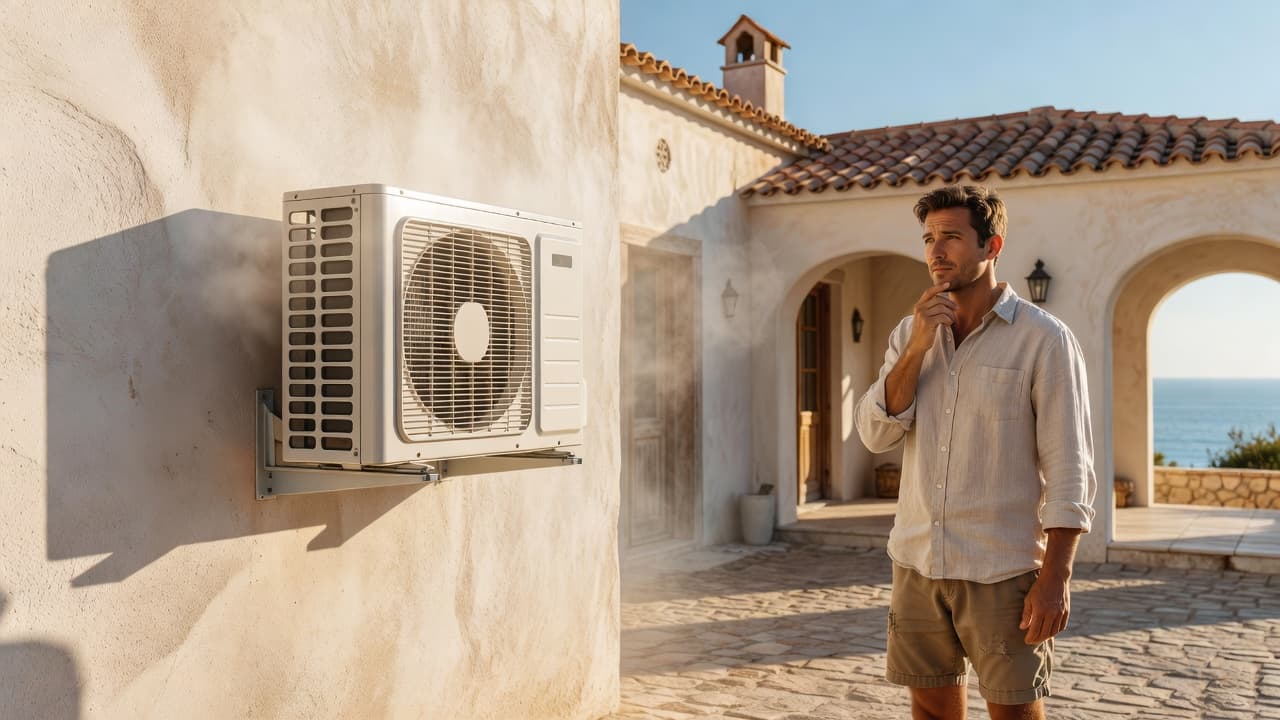
Clear the outdoor unit. Switch off the AC at the wall. If there's debris around the outdoor box, remove leaves, twigs, or loose dirt by hand (wear gloves). Do not spray water directly into the fins — use a soft brush or compressed air at low pressure if you have it. Check that air can flow freely around all four sides of the unit.
Improve air circulation in the room. Close unnecessary doors and windows so cooled air isn't wasted. Close heavy curtains on windows facing direct sun. Use a ceiling fan to help distribute the cool air (running the fan helps the AC work less hard).
Give it time. On a 38°C day, allow 30–45 minutes for the room temperature to stabilise after setting the AC. It won't drop instantly.
Run the unit on a lower (cooler) setting for a short period. If you've set it to 24°C and it's not cooling enough, lower it to 22°C for an hour, then adjust back up. This helps gauge whether the unit is simply slow or genuinely faulty.
Stop immediately and call a professional if:
- You hear continuous hissing or spraying sounds from the pipes. This indicates a refrigerant leak, which is dangerous to handle and requires certification to repair.
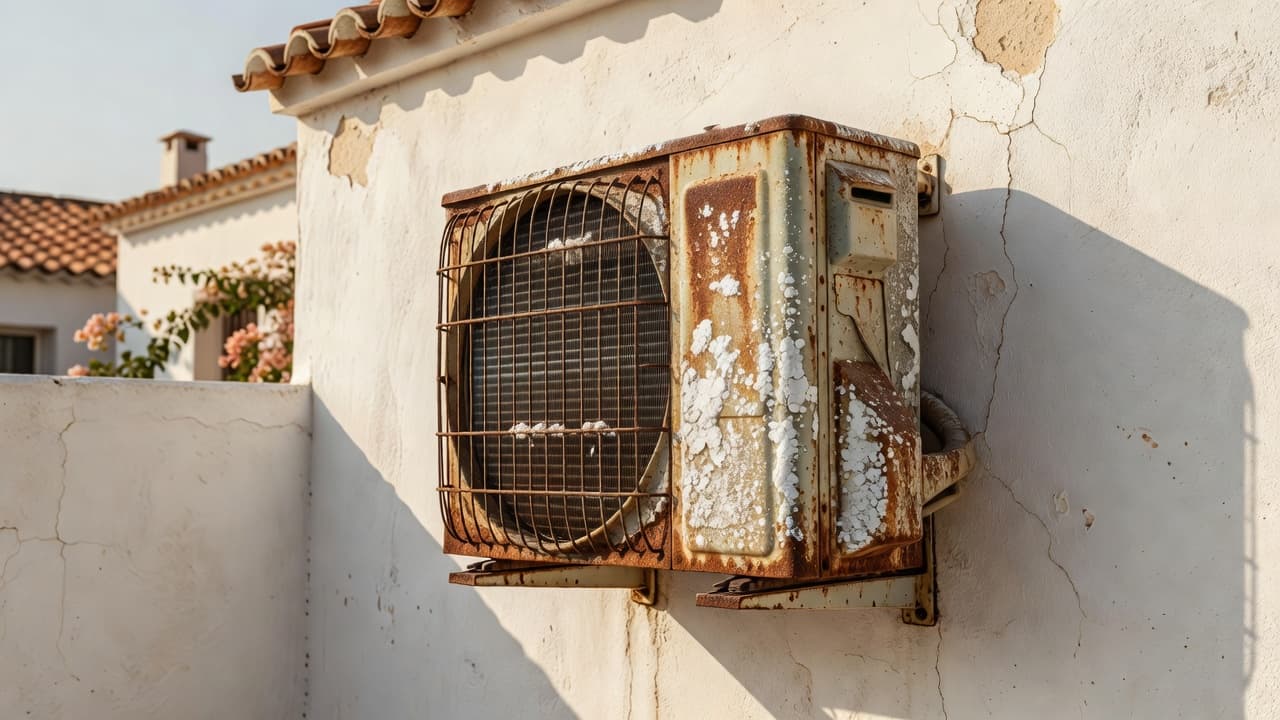
- The outdoor unit is visibly damaged, rusted, or has loose panels.
- The unit suddenly stops cooling altogether (not just slowly cooling, but producing no cold air).
- Water is leaking from the indoor or outdoor unit. This suggests a blocked drainage system or a more serious issue.
- The unit is making loud grinding, squealing, or knocking sounds. These point to compressor or mechanical failure.
- You smell a burnt, acrid, or chemical odour coming from the unit. Turn it off and wait for a professional.
- The unit is over 15 years old and has never been serviced. Even if it's cooling, have it inspected for refrigerant levels and internal cleanliness.
Do not attempt to refill refrigerant yourself. This requires specialist equipment and certification (specifically, the RoHS certification in the EU, which includes Spain). Mishandling refrigerant is illegal and dangerous.
When you call an air conditioning engineer, here's what typically happens.
First, they'll check the filter and outdoor unit vents (the same steps you've already done). If these are clean, they'll move on to more detailed diagnostics. They'll use a thermometer to measure the temperature difference between the air coming out of the unit and the temperature of the refrigerant pipes. This tells them if the system is working at normal efficiency.
If they suspect a refrigerant leak, they'll use a leak detector (an electronic device that finds even tiny leaks). If a leak is confirmed, they'll repair it, check the system for other damage, evacuate the remaining refrigerant, refill it to the correct amount, and run a test cycle to confirm normal operation. They'll then provide you with a report documenting what was done.
For older units with reduced cooling power, they'll advise whether the system can be restored (cleaning internal components, replacing capacitors) or whether replacement is more cost-effective. On the Mediterranean coast, where salt spray accelerates corrosion, units sometimes reach the end of their economic life earlier than in other regions.
If the fault is a control or electrical issue, they may replace a sensor or relay board. If the compressor itself has failed, replacement is usually the only option.
All professional work should come with a written receipt, a description of what was replaced or repaired, and usually a warranty (typically 12 months for parts and labour).
Clean the filter every 2–4 weeks during summer. Don't wait until it's black. Regular cleaning keeps the unit efficient and extends its life.
Check the outdoor unit monthly. Walk past it, look for debris, and brush away any buildup on the cooling fins. This is especially important if you're on the coast or near vegetation.
Keep the AC running during hot spells. It's more efficient to run it continuously at 24–25°C on a 38°C day than to turn it off and on repeatedly. Constant running also helps prevent refrigerant leaks from developing stress fractures in the pipes.
Have the system serviced annually. Once a year (ideally before summer), ask a professional to inspect the unit, check refrigerant levels, and clean internal components. This costs £50–100 and prevents most major breakdowns. It's especially important if your unit is over five years old or if you live on the coast.
Don't set unrealistic temperatures. Your unit is rated for a maximum temperature differential (usually 12–15°C). On a 38°C day, setting the AC to 18°C and expecting it to reach that quickly isn't realistic. Be patient and set it to 23–24°C.
Ensure good airflow around the outdoor unit. Plant shrubs or trees at least one metre away from it. Do not cover it, even in winter. Poor airflow is one of the biggest causes of cooling loss.
If you've cleaned the filter and checked the outdoor unit and cooling is still weak, a professional inspection will identify the exact cause. Most problems caught early are inexpensive to fix. Our air conditioning engineers across the Mediterranean coast can diagnose and repair any issue, often within 24 hours.