Understanding why damage happens helps you spot future problems and decide what's urgent.
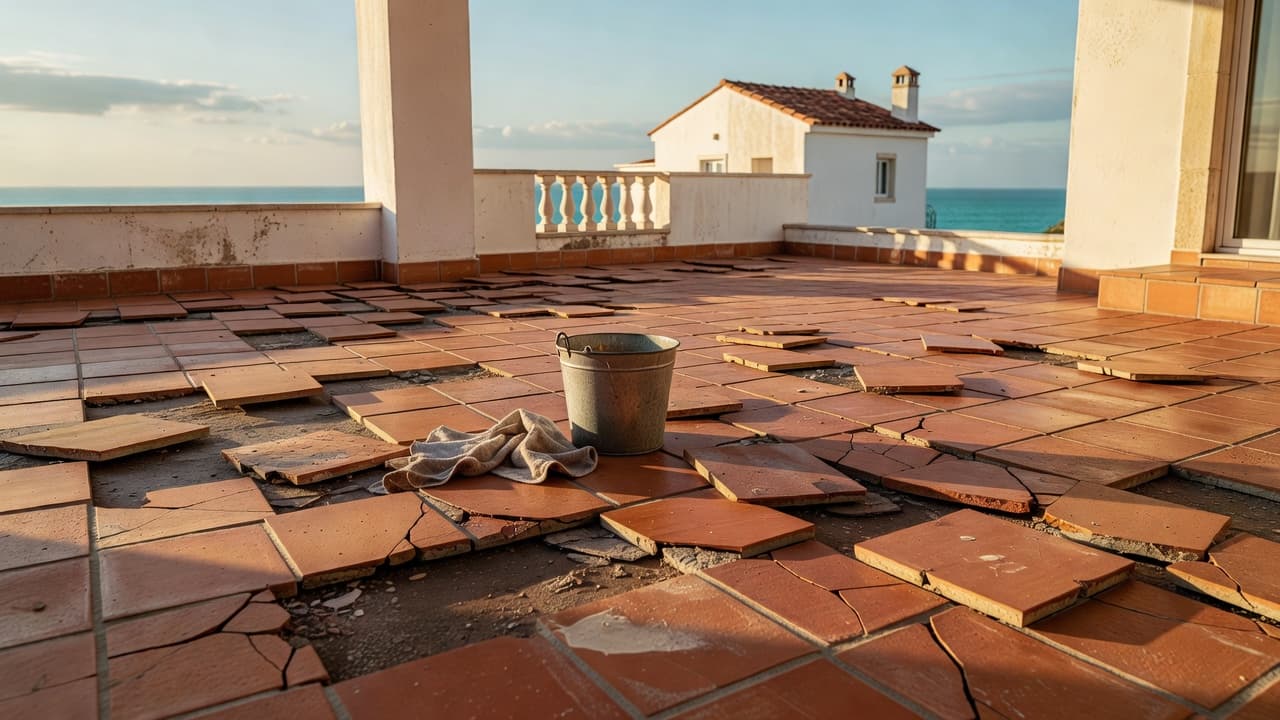
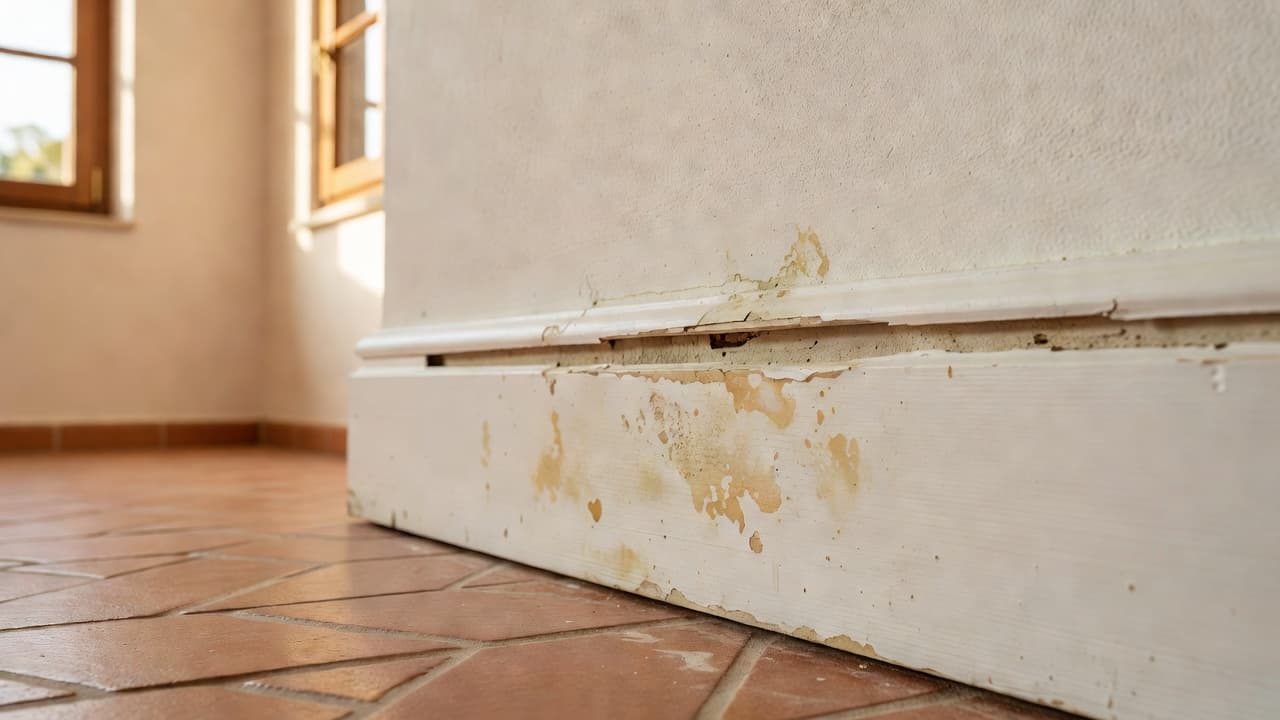
Water damage is the most common issue after a period away. Holiday homes on the Mediterranean coast are vulnerable because of salt-air humidity and temperature swings. A small roof leak, a hidden pipe corrosion, or a faulty seal around a window can go unnoticed for months. During summer heat, a closed property with no ventilation becomes a condensation trap. In winter, temperature swings can crack old pipework. If your property was unheated, a burst pipe from frost (rare on the coast but possible in rural areas) can cause flooding.
Electrical problems usually stem from moisture. Damp gets into switches, sockets, or the consumer unit, causing corrosion. Old wiring in older properties is more vulnerable. In summer, air-conditioning units running non-stop before you left can overload an old electrical system, tripping the main switch.
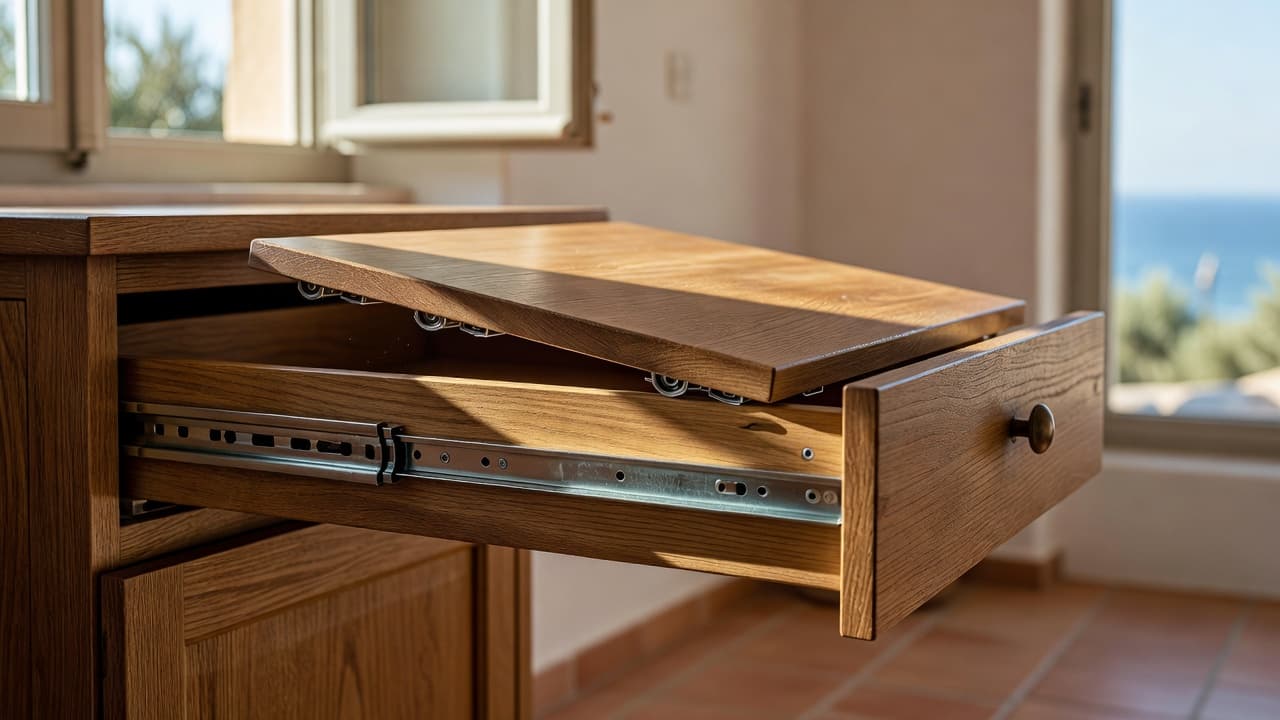
Mechanical failures — blocked drains, broken shutters, seized locks, rusted hinges — happen from lack of use and salt-air corrosion. Air-conditioning units can develop refrigerant leaks or compressor failures if left unused for months.
Pest and damp issues are linked: a closed, warm, damp property attracts insects and rodents, which damage insulation, wiring, and stored items.
Once you've checked for hazards, you can safely contain some problems yourself while you wait for professionals.
For visible water marks or small damp patches (not pooling water): open windows and doors, switch on any extractor fans, and use a dehumidifier if you have one. This prevents mould spreading. Do not use the heating system if damp is visible — you'll bake moisture into the walls.
For tripped electrical switches: do not flip them back on. Leave them off. Identify which switches control which circuits (the consumer unit should have labels — if it doesn't, a professional will sort this). If the main isolator has tripped, leave it off until an electrician confirms it's safe.
For a blocked drain (slow drainage or backed-up water): if the blockage is in a sink or shower, use a plunger (the cup-shaped tool), not chemicals. Never mix cleaning products. If the blockage is in the main drain or toilet, do not attempt to clear it yourself — call a plumber.
For broken shutters, hinges, or catches: these can wait 1–2 weeks unless the shutter won't close properly (a security issue). Document them and call a handyman once you've prioritised urgent repairs.
For a non-responsive air-conditioning unit: do not try to restart it repeatedly. Turn it off and leave it off. A specialist needs to check for refrigerant leaks or compressor damage before you use it again.
For a non-working water heater (gas boiler or electric tank): do not relight a gas boiler yourself if the pilot light is out. Call a gas engineer. For an electric water tank, turn off the electricity at the consumer unit and call a plumber.
Stop immediately and call a professional if you encounter any of these:
- Active water dripping, pooling, or spraying from pipes or fittings.
- Water marks on ceilings or walls combined with soft plaster, crumbling, or black spots (indicating mould).
- Burnt smell, scorch marks, or visible charring around the consumer unit, sockets, or switches.
- A tripped main isolator switch that you cannot safely identify why it tripped.
- Water near the consumer unit, light switches, or electrical outlets.
- A gas smell coming from the boiler, pipes, or water heater.
- An air-conditioning unit that won't power on, makes unusual noises, or leaks water inside.
- A toilet or shower that overflows or won't drain despite plunging.
- Visible cracks in walls or ceilings, especially if paired with water marks.
For any of these, cut off the relevant supply (water at the main stopcock, electricity at the consumer unit, gas at the isolator valve), close windows and doors, and call the relevant professional. Do not attempt a fix.
Knowing what to expect builds confidence and helps you prepare information they'll need.
When a plumber arrives, they'll inspect the visible pipework, turn on the water supply while watching for leaks, check the pressure, and use a moisture meter or thermal camera to identify hidden damp in walls. For a burst pipe or major leak, they'll isolate the damaged section and recommend repair or replacement. They'll drain sections of pipework if frost damage is suspected. For a non-working boiler or water heater, they'll test ignition, gas pressure (for gas appliances), or electrical connections (for electric tanks). They'll provide a boletín (certificate of work) if they've made a significant repair, and they'll advise you on whether damage is accidental or due to poor maintenance (relevant for insurance claims).
When an electrician arrives, they'll test the consumer unit with a tester to check for fault current, identify which circuit has failed, and inspect visible wiring for damp or damage. For a tripped main switch, they'll investigate whether it's a temporary overload or a genuine fault. They'll use a moisture meter near damp areas and may recommend selective circuit testing. If they find corroded wiring or dangerous conditions, they'll outline the scope of work needed. For work beyond a simple reset, they'll provide an electrical safety certificate (boletín eléctrico).
When a handyman or general contractor arrives, they'll walk through with you, photograph damage, and either handle minor repairs directly (hinges, shutters, seals) or identify what needs specialist work (plumbing, electrical, structural). They'll coordinate between different trades if multiple issues exist, which saves you time and money.
All professionals should provide a quote before work begins, a record of what was done, and advice on prevention. Keep these documents — they're essential for insurance claims and for proving maintenance to future buyers.
Once repairs are complete, invest a small amount of prevention:
- Before leaving for more than two weeks: turn off the main water stopcock, switch off the boiler or water heater, and leave windows cracked open (or use an automatic ventilation unit) to prevent condensation. Do not seal the property hermetically.
- Install a water leak detector in high-risk areas (under the sink, near the boiler, in the bathroom). These cost £30–60 and send you an alert if they sense moisture.
- Have the boiler serviced annually if you use the property seasonally. A gas boiler left unused for months is more likely to fail.
- Get the main stopcock serviced every three years. Old stopcocks can seize, and you need to know yours works before an emergency.
- Drain down radiators and pipes if you leave the property unheated in winter and it's in a cold region or at altitude.
- Check roof seals and window frames annually, especially on the coast where salt air corrodes seals.
Appoint a trusted local handyman to visit quarterly if the property is unoccupied for months. This costs far less than emergency repairs.
Finding your holiday home damaged is frustrating, but a calm, methodical approach protects both your property and your pocket. Identify hazards first, contain the problem safely, then call the right professional. Most damage can be prevented with simple maintenance and a quarterly check-in by a trusted local tradesperson.
If you're in Spain's Mediterranean region and need guidance from experienced tradespeople who understand the specific challenges of holiday homes, our experienced handymen can assess damage, coordinate repairs, and often handle much of the work themselves. A professional inspection after time away is never wasted money.